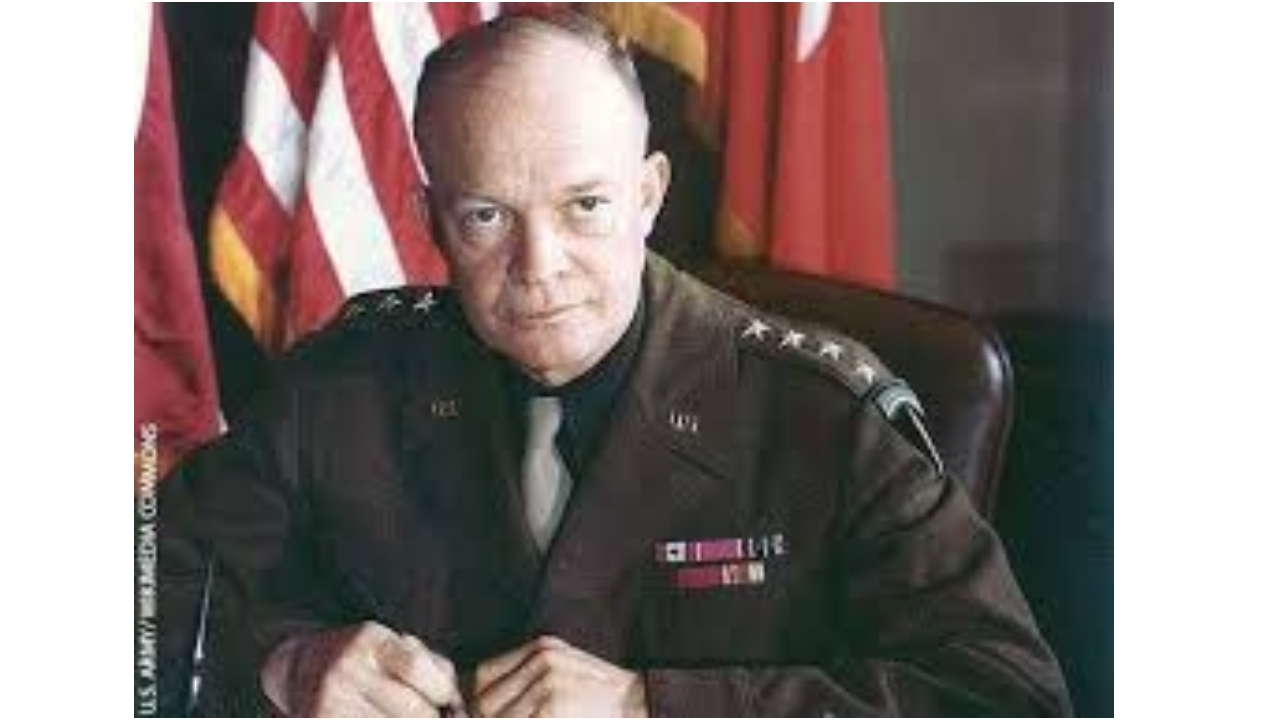
President Dwight D. Eisenhower authorized covert CIA support for the Chushi Gangdruk (the Tibetan resistance force, also known as the “Defenders of the Faith”) as part of a wider Cold War strategy to counter Communist China during the late 1950s. Under his administration, this support involved training Tibetan guerrillas in Colorado and dropping supplies to them, largely without explicit, official, high-level requested from lhasa [capital; of tibet ]
Key aspects of Eisenhower’s relationship with the Chushi Gangdruk and the Tibetan resistance include:
- Strategic Proxy Warfare: Eisenhower viewed supporting such resistance movements as “the cheapest insurance in the world,” allowing the U.S. to challenge Chinese influence without direct military involvement.
- Approval of Covert Aid: While the CIA initiated contact with the resistance, the Eisenhower administration authorized operations to train and arm the Khampa fighters of the Chushi Gangdruk.
- Initial Hesitation: Initially, the administration was cautious and sought an official request from the Dalai Lama to support the rebels, which was not forthcoming due to the delicate situation in Lhasa.
- The 1959 Uprising: As the Tibetan revolt spread, the U.S. provided increased, though covert, support to the resistance, which played a critical role in the escape of the Dalai Lama to India in 1959.
- Impact of U-2 Incidents: Following the shooting down of a U-2 spy plane over the Soviet Union in May 1960, Eisenhower imposed restrictions on covert overflights, which hampered the ability to drop supplies to the Chushi Gangdruk in Tibet.
- “Orphans of the Cold War”: The support provided by the Eisenhower administration and subsequent administrations is often described as, with the CIA-trained fighters left to fight a difficult battle against the Chinese People’s Liberation Army.
While the U.S. government under Eisenhower supported the Tibetan resistance, it did not formally recognize Tibetan independence